Urination
Burning, urgency, frequency, weak or interrupted flow, difficulty starting, or the feeling that the bladder did not fully empty.
Men’s pelvic health · Nairobi
Nortixa is an independent educational journal about prostatitis, pelvic discomfort, urinary changes and everyday habits. It helps you describe what you notice, understand why symptoms can overlap, and prepare for a useful conversation with a clinician.


01 · Symptom notebook
These are observation prompts, not a self-diagnosis. The same symptom can arise from different conditions.
Burning, urgency, frequency, weak or interrupted flow, difficulty starting, or the feeling that the bladder did not fully empty.
Discomfort may be felt between the scrotum and anus, in the penis, scrotum, lower abdomen or lower back.
Pain during or after ejaculation can occur in chronic prostatitis/chronic pelvic pain syndrome, but it is not specific to one diagnosis.
Fever, chills, nausea, vomiting and body aches can occur with acute bacterial prostatitis and increase urgency.
Urgent care
Seek immediate medical care if you have any of the following:
These signs can occur with serious urinary or infectious problems and need professional assessment.
02 · The four categories
Clinical sources commonly group prostatitis into four categories. Knowing the names can help you understand why assessment and treatment differ.
The most common and least understood form. Pain or discomfort can last three months or longer and may come and go.
Usually begins suddenly and can be severe, with urinary symptoms plus fever, chills or systemic illness. It needs prompt medical care.
Can develop gradually, recur, and resemble a milder or longer-lasting bacterial urinary infection.
Inflammation may be found during evaluation for another reason even when a person does not report symptoms.
03 · Daily context
Sleep, movement, meals, hydration and stress can affect how a person experiences chronic discomfort. They do not replace diagnosis or treatment.
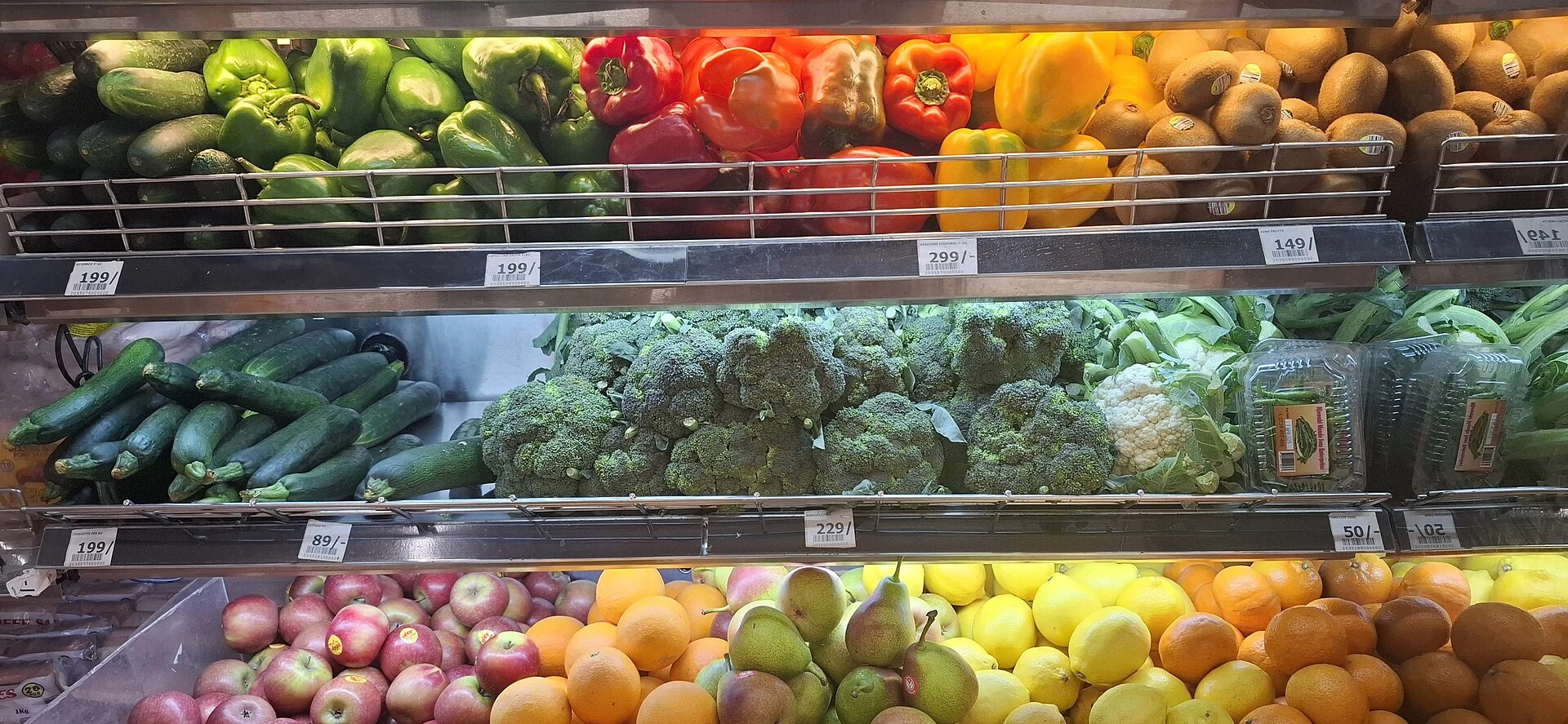
Regular meals, enough fluid for your individual needs, and a simple symptom diary can make patterns easier to discuss with a clinician.
Read the daily habits guide →
Write down onset, duration, urinary changes, pain locations, fever or chills, medications, previous urinary infections and what makes symptoms better or worse.
Prepare for a consultation →04 · Explore
A structured overview of urinary, pelvic, sexual and systemic symptoms.
Open guide →A low-pressure routine for noting symptoms and daily context without over-monitoring.
Open guide →How history, examination and tests may be used to distinguish overlapping causes.
Open guide →